Best Wireless Keyboard 2026: Ultimate Buying Guide for Every User
Published: 29 Apr 2026
Choosing the right best wireless keyboard 2026 is no longer just about removing cables from your workspace. Modern keyboards offer powerful features such as multi-device switching, long battery life, ergonomic layouts, and reliable low-latency connectivity. Whether you work from home, manage office tasks, play competitive games, or travel frequently, the keyboard you choose directly impacts comfort, typing speed, and productivity.

In recent years, the demand for Bluetooth wireless keyboards and compact layouts has increased significantly in the USA market. Professionals now expect keyboards that support laptops, tablets, and smartphones while maintaining consistent performance. This guide explores the most important keyboard categories, features, and buying decisions so you can confidently choose the best keyboard for your workflow.
1. Best Wireless Keyboard 2026 Categories Explained
Understanding keyboard categories helps narrow down your choices based on performance level, budget, and daily usage needs.
1.1 Everyday Productivity Keyboards
Productivity keyboards are designed for office workers, students, writers, and remote professionals who type frequently throughout the day. These keyboards typically feature quiet keys, comfortable layouts, and long battery performance.
Many productivity-focused keyboards include low-profile keys that allow faster typing with minimal finger fatigue. This design is particularly useful for professionals working on documents, spreadsheets, and emails for several hours daily.
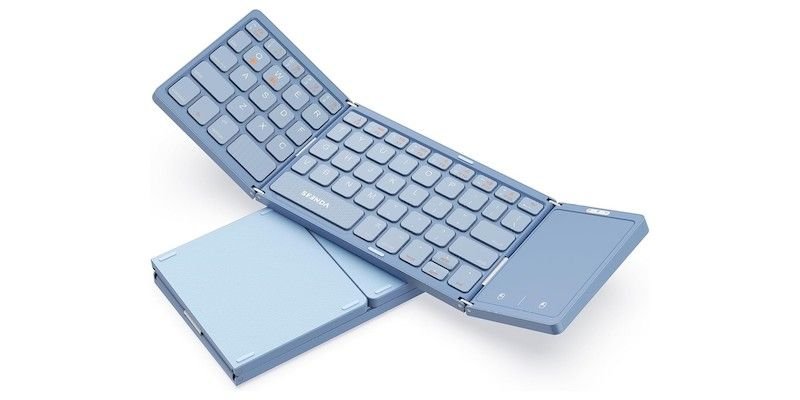
Users in home office environments often prefer models with backlit keys because they improve visibility in low-light conditions. Adjustable brightness settings help conserve battery life while maintaining readability.
1.2 Multi-Device Keyboards for Modern Workflows
Modern professionals frequently switch between laptops, tablets, and smartphones. Multi-device keyboards allow seamless switching between connected devices using dedicated buttons.
This functionality saves time and reduces workflow interruptions. For example, users can type an email on a laptop and instantly reply to messages on a smartphone without reconnecting devices.
Multi-device keyboards are especially useful for:
- Remote workers
- Content creators
- Social media managers
- Developers
2. Best Mid-Range Wireless Keyboard Options
Mid-range keyboards deliver strong performance without the premium price tag. They are ideal for users who need reliability and comfort but want to avoid expensive models.
2.1 Features That Make Mid-Range Keyboards Popular
Mid-range keyboards typically offer:
- Rechargeable battery systems
- Strong Bluetooth connectivity
- Durable construction materials
- Responsive typing performance
- Compact yet functional layouts
Battery life is one of the biggest advantages in this category. Many mid-range models last several weeks on a single charge, making them convenient for daily office work.
Another important feature is stable connectivity. These keyboards maintain strong connections even when used across multiple devices.
2.2 Real-World Usage Benefits
Mid-range keyboards perform exceptionally well in everyday environments such as:
- Home offices
- Corporate offices
- Study rooms
- Creative workspaces
They provide consistent typing performance without unnecessary features that increase cost. For most users, mid-range keyboards offer the best balance between performance and affordability.
3. Best Lower Mid-Range Wireless Keyboard Picks
Lower mid-range keyboards provide dependable performance for users who want affordability without sacrificing essential functionality.
3.1 What to Expect From Lower Mid-Range Models
These keyboards typically include:
- Standard full-size layouts
- Lightweight construction
- Reliable Bluetooth pairing
- Moderate battery life
- Comfortable key spacing
While they may not include advanced customization features, they still deliver reliable performance for everyday typing tasks.
These models are especially useful for users who work part-time on computers or require secondary keyboards.
3.2 When Lower Mid-Range Keyboards Make Sense
Lower mid-range keyboards are ideal when:
- Lower mid-range keyboards are a smart choice for users who want reliable performance without spending too much money. They work well for students, office users, and casual gamers who need a comfortable typing experience with essential features only.
- This category makes sense when budget flexibility is limited, advanced customization features are unnecessary, and daily typing needs are moderate. Many users also prefer the simplicity and practicality that these keyboards offer compared to premium models.
Many students and casual users find this category highly practical because it offers affordability and functionality in one package.
4. Best Budget Wireless Keyboard Choices
Budget keyboards focus on essential functionality while maintaining dependable performance.
4.1 Essential Features Found in Budget Models
Budget keyboards usually include:
- Basic Bluetooth connectivity
- Lightweight plastic construction
- Replaceable batteries
- Standard typing layouts
Although these keyboards lack premium features, many deliver surprisingly good performance for everyday tasks.
Users performing simple activities such as browsing the web, attending virtual classes, or typing documents can rely on budget keyboards without issues.
4.2 Budget Keyboard Use Cases
Budget models are well suited for:
- Students completing assignments
- Entry-level office setups
- Backup workstations
- Shared computer environments
In many cases, budget keyboards provide enough performance to handle routine tasks without requiring expensive upgrades.
5. Best Cheap Ergonomic Wireless Keyboard Alternatives
Cheap keyboards prioritize affordability over advanced performance. They are designed to provide basic functionality at the lowest possible cost.
5.1 Limitations to Expect
Users should be aware of certain limitations:
- Shorter battery life
- Basic materials
- Reduced durability
- Limited customization features
Despite these limitations, cheap keyboards remain practical for short-term use or low-demand environments.
For example, shared office spaces often use inexpensive keyboards because they are easy to replace when needed.
5.2 Situations Where Cheap Keyboards Are Useful
Cheap keyboards work best in:
- Temporary setups
- Guest workstations
- Occasional computer use
- Secondary device connections
They provide a simple solution for users who do not require advanced performance features.
6. Best Wireless Gaming Keyboard Picks
Gaming keyboards are designed for performance, speed, and durability. Competitive gaming requires fast response times and consistent key accuracy.
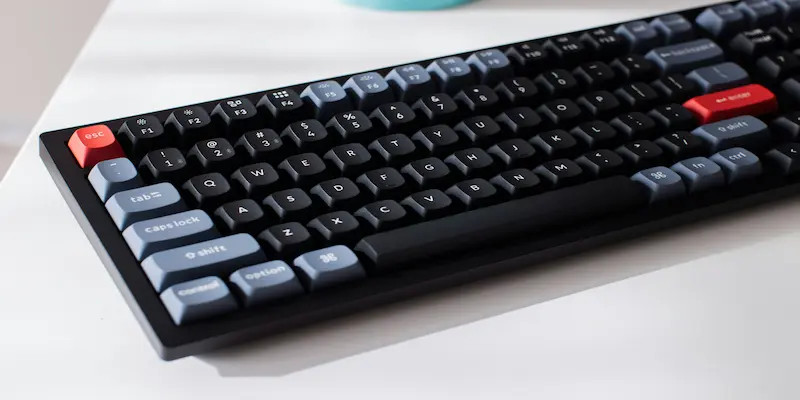
6.1 Gaming Features That Improve Performance
Gaming keyboards often include:
- Mechanical switches
- Anti-ghosting technology
- Customizable RGB lighting
- Programmable macro keys
- High polling rates
Mechanical switches are particularly important because they allow faster actuation and better feedback compared to traditional membrane keyboards.
Gamers benefit from reduced input delay, which improves reaction time during fast-paced gameplay.
6.2 Real Gaming Performance Advantages
In competitive gaming environments, every millisecond matters. Gaming keyboards reduce missed inputs and improve response accuracy.
Players involved in:
- First-person shooter games
- Strategy games
- Multiplayer battle games
experience better control and consistency when using keyboards built for performance.
Additionally, programmable keys allow gamers to create shortcuts that improve efficiency during gameplay.
7. Best Wireless Mechanical Keyboard Options
Mechanical keyboards are widely preferred by professionals and gamers because they offer better responsiveness, durability, and typing satisfaction than standard membrane keyboards.
7.1 Advantages of Mechanical Switches
A wireless keyboard mechanical provides a noticeable improvement in typing performance. Each key press registers more accurately and consistently compared to traditional keyboard mechanisms.
Key advantages include:
- Faster key response
- Longer lifespan (often millions of keystrokes)
- Better tactile feedback
- Improved typing accuracy
- Enhanced durability
For writers, developers, and office professionals, mechanical keyboards help maintain speed and reduce typing errors. Users who spend long hours typing often report less fatigue due to consistent key travel.
7.2 Choosing the Right Switch Type
Mechanical keyboards offer different switch types designed for various preferences.
Common switch categories include:
Linear Switches
These switches move smoothly without tactile bumps. They are ideal for gaming because they allow fast repeated keystrokes.
Tactile Switches
These provide slight resistance during typing, giving users feedback that improves typing accuracy.
Clicky Switches
These produce an audible click sound, which many users enjoy for feedback but may not be suitable for shared environments.
Selecting the right switch type depends on personal preference, noise tolerance, and typing style.
8. How to Choose the Right Keyboard
Selecting the right keyboard requires understanding your daily usage habits and performance expectations.
8.1 Identify Your Primary Usage
Before purchasing, determine how you plan to use the keyboard.
For example:
- Office work requires quiet typing
- Gaming requires fast response time
- Travel requires compact size
- Programming requires comfortable layout
Understanding your primary purpose helps narrow down suitable options quickly.
8.2 Consider Your Workspace Setup
Workspace size and layout play an important role in keyboard selection.
Small desks benefit from compact keyboards, while large workstations support full-size models with numeric keypads.
Users with minimal desk space often prefer compact keyboards that reduce clutter and improve workspace organization.
9. Understanding Keyboard Sizes and Layouts
Keyboard size directly affects typing comfort and portability.
9.1 Full-Size Keyboards
Full-size keyboards include all standard keys, including the numeric keypad.
Best for:
- Office professionals
- Accounting tasks
- Data entry work
They offer maximum functionality but require more desk space.
9.2 Tenkeyless (TKL) Keyboards
Tenkeyless keyboards remove the numeric keypad to create a smaller footprint.
Best for:
- Gamers
- Developers
- Compact workspaces
They provide better mouse movement space, making them popular among gamers.
9.3 Compact and 60% Keyboards
Compact keyboards remove additional keys to achieve a minimalist design.
Best for:
- Travel
- Mobile work
- Small desk setups
They are lightweight and highly portable.
10. Bluetooth vs 2.4GHz Connectivity Explained
Connectivity type significantly affects performance and reliability.
10.1 Bluetooth Connectivity Benefits
Bluetooth keyboards connect directly to compatible devices without requiring additional receivers.
Benefits include:
- Easy pairing
- Device flexibility
- Reduced cable clutter
- Compatibility with tablets and smartphones
Bluetooth keyboards are ideal for multi-device workflows.
10.2 2.4GHz Wireless Receiver Advantages
Keyboards using dedicated receivers provide stronger connections and lower latency.
Advantages include:
- Stable performance
- Faster response time
- Reduced signal interference
- Better gaming compatibility
For competitive environments, receiver-based connections often perform more reliably.
11. Ergonomic Benefits and Comfort Features
Comfort plays a critical role in long-term typing efficiency and health.
11.1 How Ergonomic Design Reduces Strain
Ergonomic keyboards help maintain natural wrist alignment and reduce strain.
Common ergonomic features include:
- Split keyboard layouts
- Wrist rests
- Adjustable tilt angles
- Curved key arrangements
These features reduce pressure on wrists and help prevent discomfort during long typing sessions.
11.2 Why Comfort Matters for Productivity
Typing discomfort reduces focus and slows productivity.
Users who type daily benefit from ergonomic features that:
- Reduce wrist fatigue
- Improve posture
- Increase typing speed
- Prevent long-term strain injuries
Comfort-focused designs are especially valuable for professionals working extended hours.
12. Device Compatibility Guide
Modern keyboards must support multiple platforms to meet modern workflow demands.
12.1 Compatibility With Windows Systems
Most keyboards work seamlessly with Windows-based computers.
Users benefit from:
- Shortcut key compatibility
- Plug-and-play setup
- Software customization options
Windows compatibility remains essential for office environments.
12.2 Compatibility With macOS Devices
Mac users should check layout compatibility before purchasing.
Mac-compatible keyboards often include:
- Command key support
- macOS shortcuts
- Device switching features
These features improve workflow efficiency.
12.3 Tablet and Smartphone Compatibility
Many modern keyboards support mobile devices.
Benefits include:
- Portable productivity
- Quick typing on tablets
- Improved mobile workflow
Tablet compatibility is especially useful for students and travelers.
13. Key Features to Look for Before Buying
Understanding core features ensures long-term satisfaction.
13.1 Battery Life Expectations
Battery performance varies based on usage patterns.
Typical battery durations include:
- Weeks for heavy use
- Months for moderate use
- Longer periods with power-saving features
Backlit keyboards consume more power but provide better visibility.
Rechargeable models offer convenience, while replaceable batteries provide flexibility.
13.2 Build Quality and Durability
Material quality directly affects lifespan.
Common materials include:
- Plastic frames
- Aluminum bodies
- Reinforced keycaps
Durable keyboards withstand frequent usage and accidental impacts.
13.3 Noise Levels and Typing Sound
Noise level matters in shared environments.
Quiet keyboards are ideal for:
- Offices
- Libraries
- Remote workspaces
Clicky keyboards produce louder sounds but provide stronger tactile feedback.
Conclusion
Choosing the right wireless keyboard requires balancing comfort, performance, durability, and compatibility. From compact travel models to full-size productivity layouts and high-performance gaming designs, each category serves different needs and usage scenarios.
By understanding keyboard sizes, connectivity types, ergonomic benefits, and essential features, users can confidently select a keyboard that improves typing speed, reduces fatigue, and enhances productivity across daily tasks.
Investing in a reliable keyboard not only improves workflow efficiency but also creates a more comfortable and enjoyable computing experience.
FAQs
The best option depends on typing comfort, battery life, and reliability. Users who type daily should prioritize ergonomic layouts and long battery performance.
Yes, modern gaming keyboards provide low-latency connections and fast response times, making them suitable for competitive gaming environments.
Battery life typically ranges from several weeks to several months depending on usage, lighting settings, and battery capacity.
Most modern keyboards support laptops, tablets, and smartphones using Bluetooth or wireless receivers.
Mechanical keyboards offer better durability, improved feedback, and faster response compared to standard membrane keyboards.



- Be Respectful
- Stay Relevant
- Stay Positive
- True Feedback
- Encourage Discussion
- Avoid Spamming
- No Fake News
- Don't Copy-Paste
- No Personal Attacks
- Be Respectful
- Stay Relevant
- Stay Positive
- True Feedback
- Encourage Discussion
- Avoid Spamming
- No Fake News
- Don't Copy-Paste
- No Personal Attacks
